What’s the Best Windshield Tint for Florida Heat?
Florida heat is relentless. In Tampa and across the Bay area, bright sun and warm temperatures can turn a parked car into an oven, and that heat does not stop once you start driving. Even with A/C blasting, the windshield is a major pathway for solar energy, especially infrared heat, to enter the cabin. That means hot dashboards, overheated steering wheels, glare that causes eye strain, and accelerated fading of leather, plastics, and electronics. The good news is that modern windshield tint technology is not the dark film people remember from years ago. Today’s advanced
ceramic windshield films are engineered to reject infrared heat and block nearly all UV exposure while staying impressively clear. When you choose the right film and stay compliant with
Florida laws, you can reduce cabin heat, improve comfort, and protect your interior without sacrificing visibility.
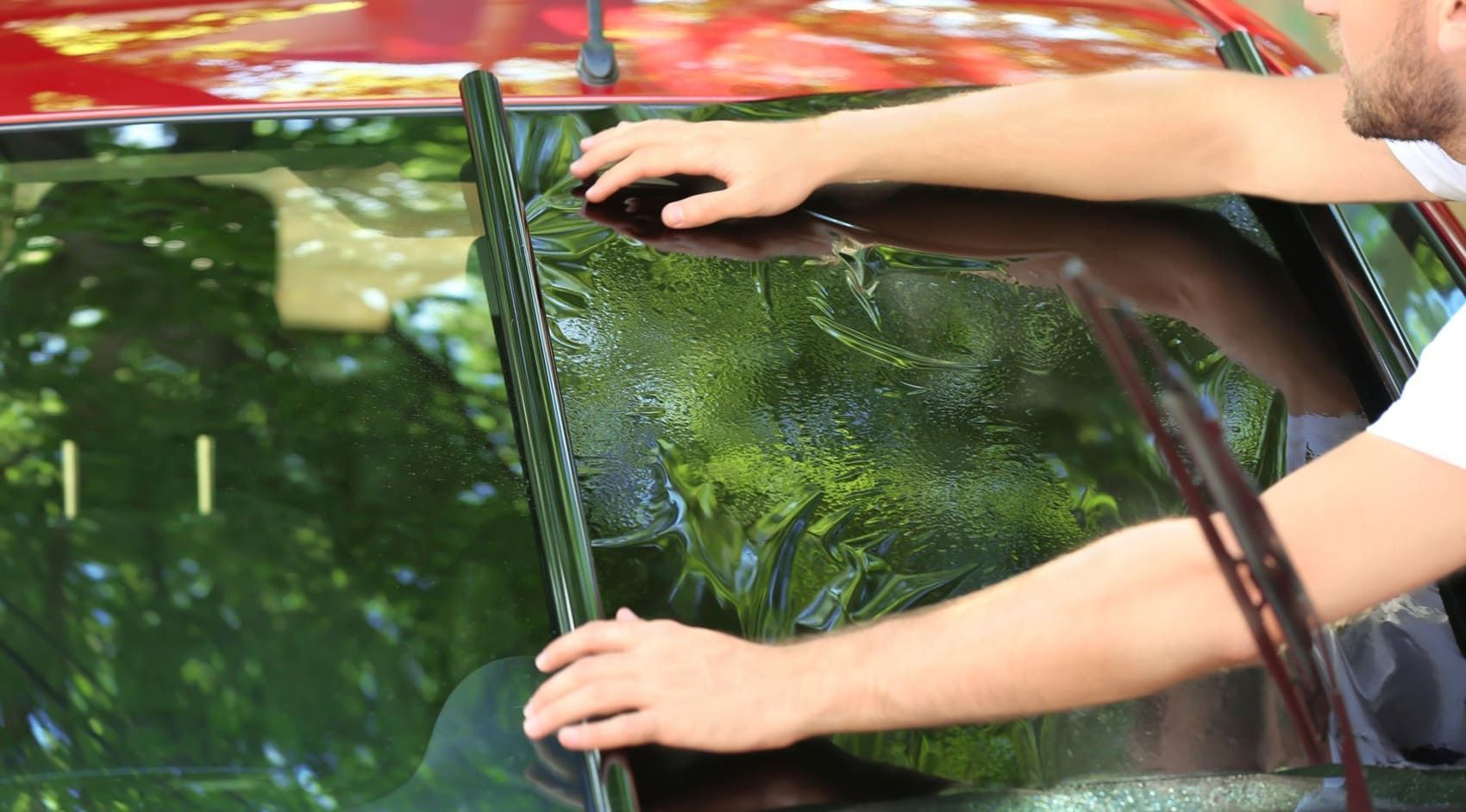
Table of Contents
1. How Windshields Drive Cabin Heat Buildup
2. Florida Windshield Tint Laws: What’s Allowed
3. Traditional Tint vs. Ceramic Windshield Film
4. Infrared Rejection and UV Blocking: What Matters
5. Visibility and Night Driving: Clarity First
6. Tint Strip vs. Full Windshield: Which Is Best?
7. Why Professional Installation Protects Compliance
1. How Windshields Drive Cabin Heat Buildup
Your windshield is the largest piece of glass facing the sun for much of the day. In Tampa, the sun angle is high for long stretches of the year, and the windshield often acts like a solar collector. Even when side windows are tinted, the windshield can keep pouring heat into the cabin because of two core factors: the surface area of the glass and the direction it faces.
Heat buildup is not just about “brightness.” Sunlight includes multiple wavelengths. Visible light affects what you see, but infrared energy is what you feel as heat. A windshield can transmit a meaningful amount of solar infrared into the cabin, and your dashboard, seats, and interior panels then absorb that energy and re-radiate it as heat. The result is a feedback loop that makes the cabin feel hotter than the outside air.
That is why “best windshield tint Florida heat” searches have grown. Drivers are not simply chasing a darker look. They are chasing measurable reduction in solar load so the A/C can keep up, especially in stop-and-go traffic on I-275, US-19, and the Crosstown.
Quick visual: why the windshield matters most
| Vehicle glass | Typical sun exposure | Heat impact | Comfort issue drivers feel |
|---|---|---|---|
| Windshield | High, forward-facing | Very high | Hot dash, glare, A/C struggling |
| Front side windows | Medium, lateral | High | Hot arm, face, shoulder exposure |
| Rear glass | Medium, aft-facing | Medium | Rear passengers, cargo heat |
| Panoramic roof (if equipped) | High, overhead | High to very high | Overhead heat and sun fatigue |
2. Florida Windshield Tint Laws: What’s Allowed
Before choosing a film, start with the legal baseline. Florida legal windshield tint is more restrictive than side and rear glass because the windshield is directly tied to visibility and safety.
In general, Florida allows a non-reflective tint strip along the top of the windshield that is above the AS-1 line (a line marked by the manufacturer on many vehicles). Florida also has rules on reflectivity, and exemptions may apply in specific cases such as medical exemptions. Enforcement can vary by area, but the safest strategy is to choose a setup that clearly aligns with the law and preserves visibility.
Important note: Laws and enforcement can change. For a Florida legal windshield tint plan, confirm the current statute details and have your shop document the film type, placement, and compliance approach.
Florida compliance checklist (practical)
- Use a non-reflective film in the allowed area.
- Keep any tint strip within the AS-1 line boundary.
- Prioritize high clarity films intended for windshields.
- Ask for installation documentation and warranty paperwork.
Legal focus table (for quick planning)
| Option | Common use | Compliance risk | Best practice |
|---|---|---|---|
| Tint strip above AS-1 line | Glare reduction | Low when non-reflective and correctly placed | Measure and align to the AS-1 line |
| Clear ceramic windshield film (full) | Heat and UV reduction | Varies by interpretation and product | Discuss film clarity and compliance approach |
3. Traditional Tint vs. Ceramic Windshield Film
Not all tint is built for windshields. Traditional dyed or metalized films were often chosen for privacy or appearance, but windshields demand something different: high optical clarity, minimal haze, low distortion, and strong performance without darkening the glass.
Traditional dyed films can add shade but are not typically the best answer for Florida heat. They may reduce glare, yet they usually do not deliver the highest infrared heat rejection. They can also fade over time depending on quality.
Metalized films can reflect heat, but they carry trade-offs that many modern drivers want to avoid. Potential issues include signal interference in some cases and a more reflective look.
Ceramic windshield tint Florida drivers ask for is designed to solve the heat problem directly.
Ceramic films are engineered to reject a significant portion of infrared energy while remaining nearly clear. That makes ceramic a strong fit when your goal is comfort, not darkness.
At-a-glance comparison
| Film type | Heat rejection potential | Clarity for windshield use | Electronics friendliness | Best for |
|---|---|---|---|---|
| Dyed | Low to medium | Varies | High | Budget shading |
| Metalized | Medium | Varies | Can be a concern | Reflective heat control |
| Advanced ceramic | High | High when windshield-rated | High | Florida heat, clarity, comfort |
If you are specifically looking for LLumar FormulaOne window tint , that product family is known for combining strong heat rejection with optical clarity. Leo’s Touch Window Tinting installs LLumar FormulaOne Auto Window Tinting products engineered to provide superior infrared heat rejection, UV protection, and clarity while meeting Florida legal standards.
4. Infrared Rejection and UV Blocking: What Matters
The two most important performance concepts for windshield comfort in Florida are infrared rejection and UV blocking . They are related but not the same.
Infrared rejection targets the energy that makes you feel hot. High infrared rejection helps reduce how quickly your cabin heats up, how hot the dash and seats get, and how hard your A/C has to work on Tampa’s sunny days.
UV blocking protects your skin and your interior. UV exposure contributes to fading, cracking, and discoloration of dashboards, leather, vinyl, and trim. It also matters for long commutes and drivers with sun sensitivity.
Performance metrics to ask about
- IR rejection percentage: Higher can mean better perceived comfort.
- UV rejection percentage: Look for strong UV protection.
- VLT (Visible Light Transmission): How much visible light passes through.
- Optical clarity: Low haze and low distortion matter on windshields.
Simple comparison table (conceptual)
Exact numbers vary by product line and testing standard. Use this as a decision framework, then compare specific film specs with your installer.
| Approach | Typical VLT feel | IR heat relief | UV protection | Best use case |
|---|---|---|---|---|
| Light shade film | Slightly darker | Medium | High with quality film | Glare + some heat help |
| Clear ceramic windshield film | Near-clear | High | Very high | Heat rejection with visibility |
For Tampa windshield tint shoppers, the best outcome usually comes from pairing a clarity-first windshield film with a complete vehicle plan. That can include front side windows within legal limits and, when applicable, panoramic roof films. A balanced plan spreads comfort gains across the whole greenhouse of the vehicle.
5. Visibility and Night Driving: Clarity First
One of the most common concerns is whether windshield tint makes
night driving unsafe. The windshield is your primary visual interface with the road, so visibility must be non-negotiable.
There are two key visibility considerations:
- Light transmission: How much visible light reaches your eyes.
- Optical quality: Distortion, haze, and “wavy” effects that can amplify glare.
Modern ceramic windshield films are designed to be clear, but film selection and installation quality still matter. Even a high-end film can look bad if it is installed with contamination, improper shrinking, or edge issues. That is why professional installation is not just about appearance. It is about safety.
Daytime glare vs. nighttime contrast
Glare reduction can improve comfort in bright sun, especially when you are driving west at sunset on Hillsborough Avenue or Kennedy Boulevard. At night, you need crisp contrast and clean visibility for lane markers, pedestrians, and cyclists. If you are sensitive to headlight glare, a clarity-first solution paired with a legal tint strip can help cut overhead brightness without darkening your main forward view.
Visibility tips to discuss with your installer
- If you drive at night often, prioritize high clarity, windshield-rated ceramic film .
- Ask about haze ratings and real-world examples on similar vehicles.
- Make sure ADAS cameras and sensor areas remain clear and properly finished.
6. Tint Strip vs. Full Windshield: Which Is Best?
The most common windshield protection options are a tint strip at the top or a full windshield film that is designed to stay nearly clear while reducing heat and UV.
Option A: Tint strip (above AS-1 line)
A strip is primarily for glare reduction. It helps when the sun is high, when you are cresting bridges, or when you drive into morning and afternoon sun. It is also the option that most directly aligns with typical Florida windshield rules when installed properly.
Option B: Full windshield protection (clear ceramic)
A full windshield film focuses on overall comfort. This is where “best windshield tint Florida heat” intent is usually headed. The goal is infrared reduction across the entire windshield surface, not just the top few inches.
Which option is best for Tampa drivers?
| Driver profile | Best fit | Why it works |
|---|---|---|
| Commutes into sun daily | Tint strip | Targets overhead glare in peak angles |
| Heat-sensitive, long drives | Clear ceramic full windshield | Reduces infrared load across the whole view |
| Wants maximum comfort | Full windshield plus legal strip | Combines glare control with heat reduction |
Whichever route you choose, match it with Florida compliance. A reputable Tampa windshield tint shop should walk you through legal limits and practical visibility expectations for your vehicle.
7. Why Professional Installation Protects Compliance
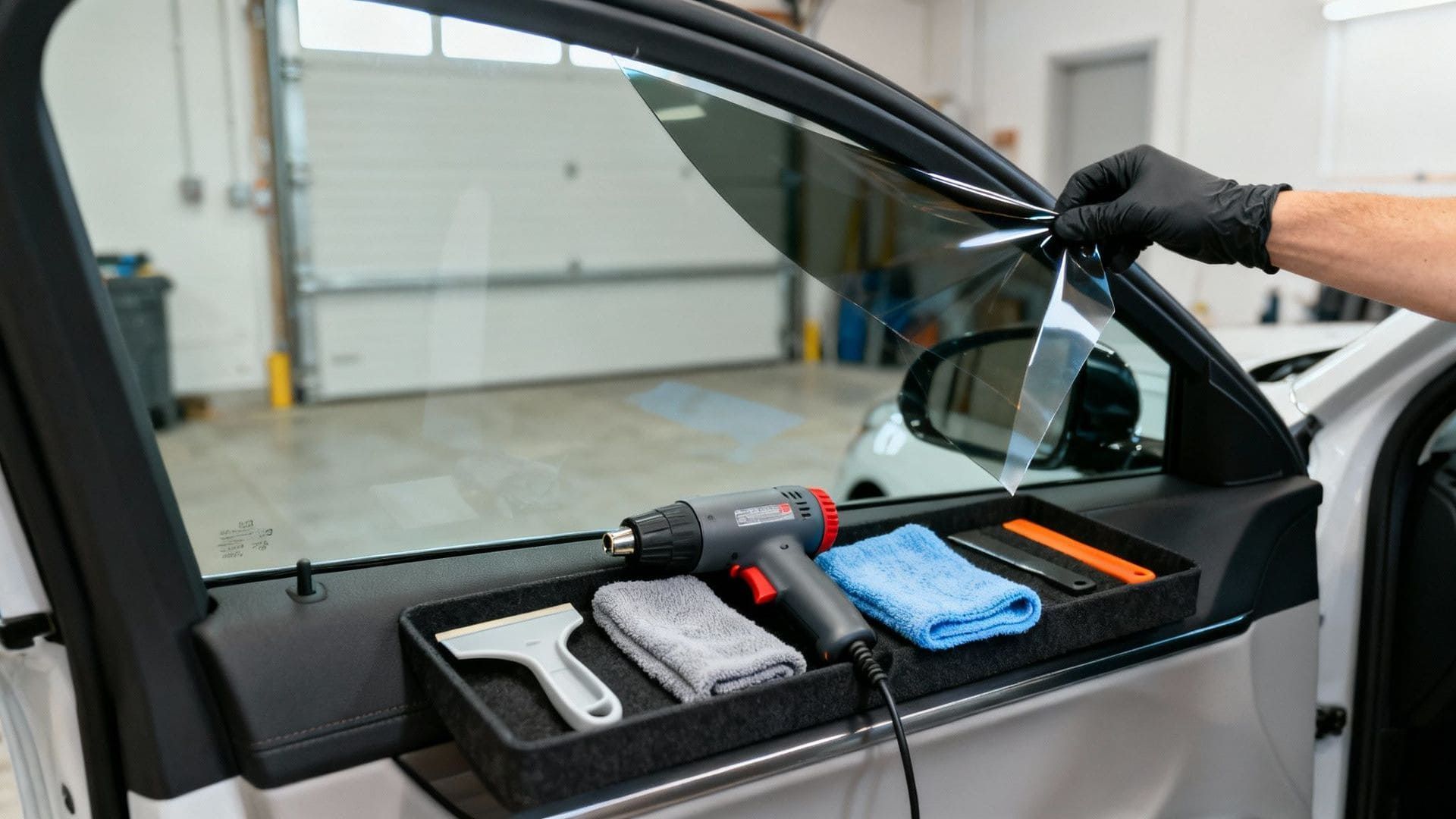
Windshield film is one of the most demanding installs on a vehicle. The glass is curved, highly visible, and tied to safety systems.
Professional installation matters for three reasons: clarity, compliance, and long-term performance.
1) Clarity and optical finish
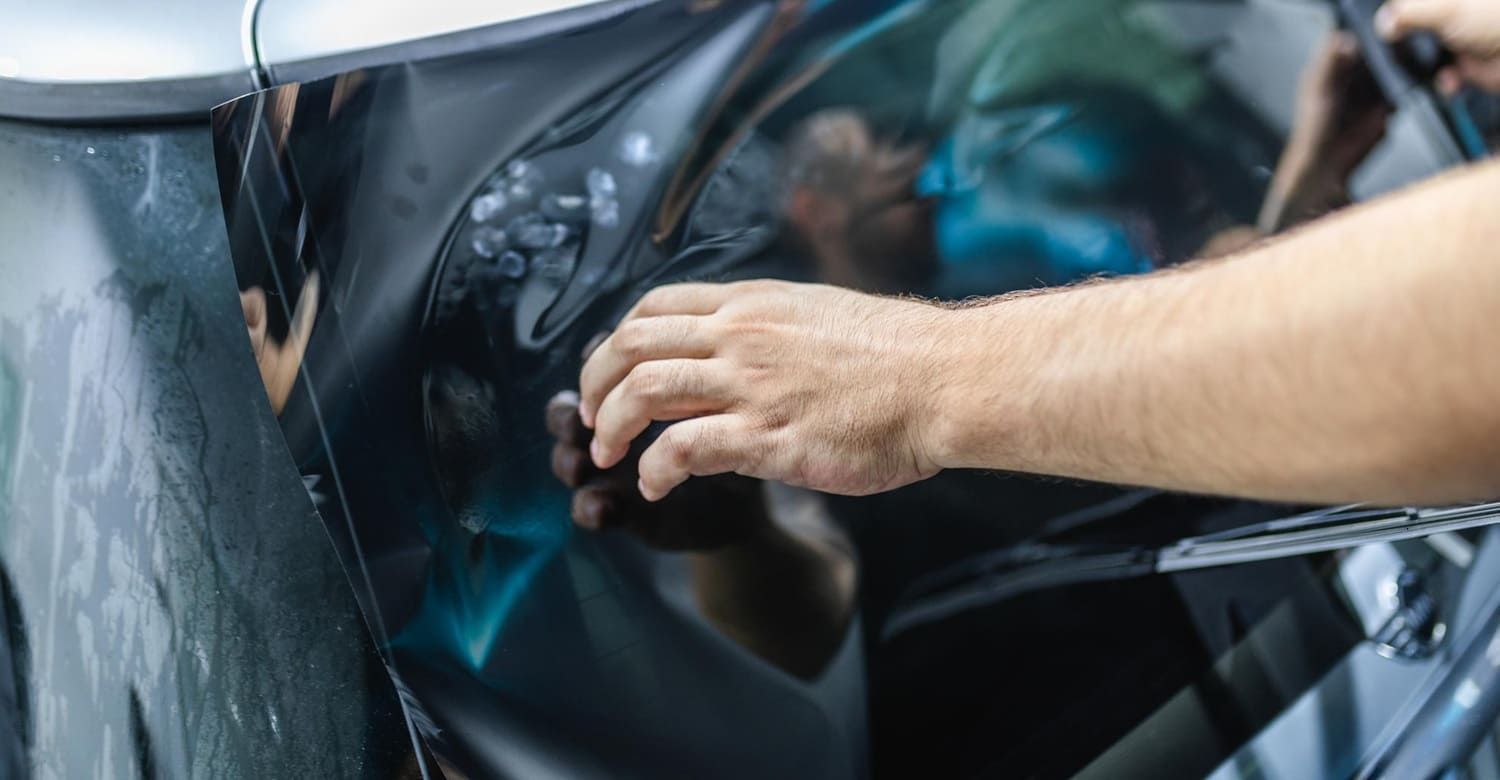
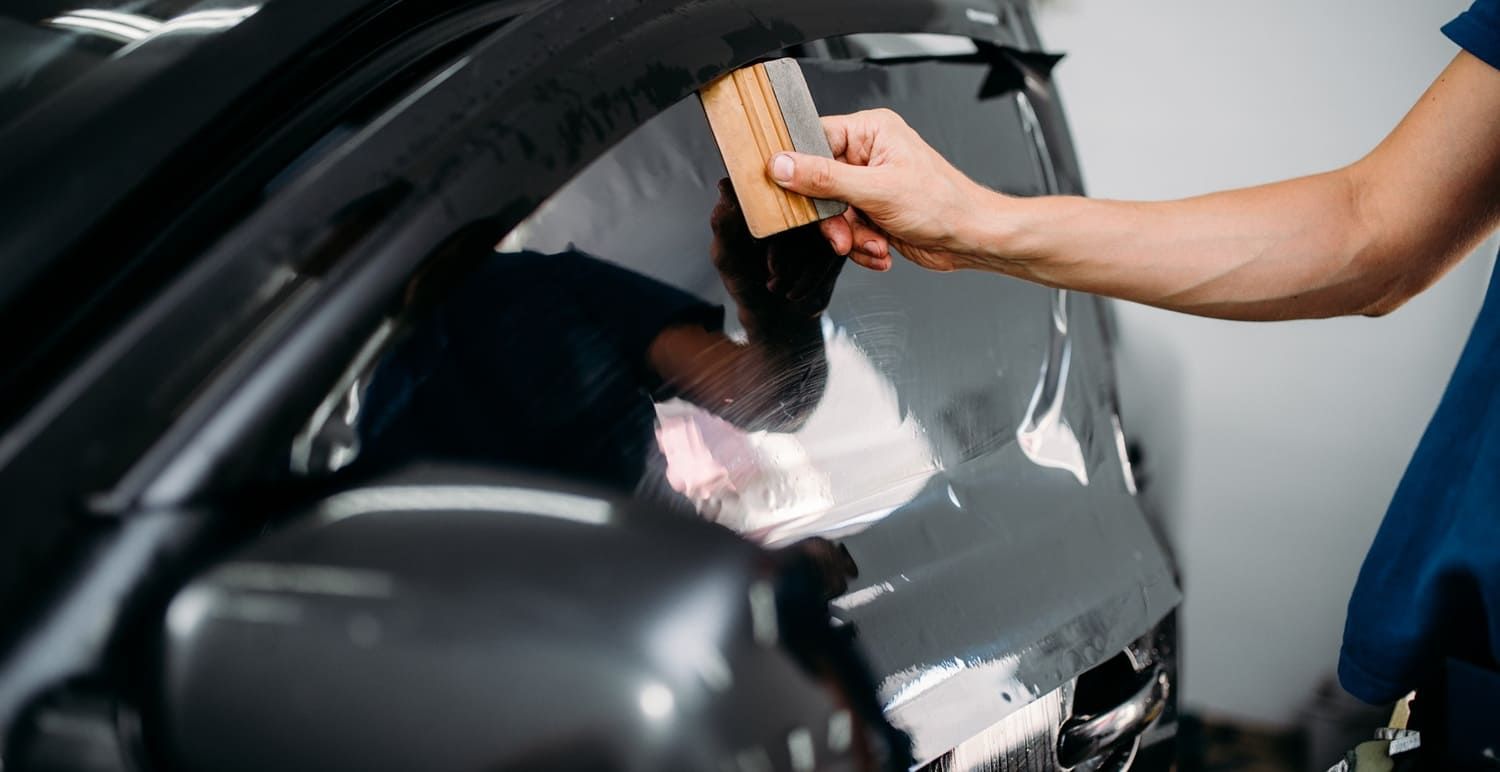
Windshield film must be formed to the curvature of the glass with controlled heat shrinking and precision. Any contamination, fingers, or improper squeegee technique can create distortion, trapped debris, or visible imperfections that you will notice every time you drive.
2) Safety systems and sensor integration
Many newer vehicles have forward-facing cameras, lane keep assist, adaptive cruise sensors, or rain sensors. A professional will know how to finish edges, manage sensor zones, and avoid issues that can arise from poor film handling. If you drive a newer vehicle, this is a key reason to avoid inexperienced installation.
3) Compliance and documentation
Florida legal windshield tint is not only about film selection. Placement, reflectivity, and overall transparency matter. A professional shop can help you choose a setup that meets Florida expectations and provide the documentation and warranty details you want for peace of mind.
Leo’s Touch Window Tinting serves
Tampa, FL and surrounding areas with
professional installation of
LLumar FormulaOne Auto Window Tinting products engineered to deliver strong infrared heat rejection, UV protection, and optical clarity while meeting Florida legal standards. If you want a windshield solution that prioritizes comfort and visibility, that product line is a strong starting point.
FAQ: Windshield Tint in Florida
Is full windshield tint legal in Florida?
Florida commonly allows a non-reflective strip above the AS-1 line. Full windshield film legality can depend on the film, placement, and current interpretation. If you are considering full coverage, discuss a Florida legal windshield tint plan with your installer and confirm the current rules before installing.
What is the best windshield tint for Florida heat?
For heat, a high-clarity ceramic film is typically the best match because it targets infrared energy while staying clear. Many Tampa drivers specifically ask for ceramic windshield tint Florida solutions when comfort is the priority.
How does clear ceramic tint reduce heat if it looks almost transparent?
Clear ceramic films work by filtering infrared wavelengths rather than simply darkening the glass. That means you can feel less heat while still seeing clearly.
Will windshield tint help with glare?
Yes. A legal tint strip can cut overhead glare, and some full windshield films can reduce harshness without significantly darkening your view. The best approach depends on your driving patterns and sensitivity to glare.
Does windshield tint affect night driving visibility?
It can if the film is too dark or if the installation introduces haze or distortion. Choosing a windshield-rated, high-clarity film and professional installation is the safest approach for nighttime visibility.
Will ceramic tint interfere with GPS, cell signal, or sensors?
Ceramic films are generally chosen because they are non-metallic and tend to be more electronics-friendly than metalized options. For vehicles with ADAS cameras and sensors, professional installation and correct film selection are still important.
Can I tint the windshield on a vehicle with lane keep assist?
In many cases, yes, but it requires care around camera housings and sensor areas. Ask your installer how they handle ADAS components and how the film is finished around those zones.
What VLT should I choose for the windshield?
For windshields, clarity is the priority. Many drivers look for clear or very light options designed for heat rejection, then use side window tint within Florida limits for additional comfort and privacy.
Does LLumar FormulaOne window tint include windshield-ready options?
LLumar FormulaOne Auto Window Tinting product families include high-performance options known for strong heat rejection and clarity. Your installer can recommend the best match for your windshield, side windows, and overall Florida compliance plan.
How do I care for windshield film after installation?
Follow your installer’s cure-time guidance, avoid harsh cleaners, and use tint-safe products. If you notice haze, bubbles, or edge issues after the cure period, contact your shop so they can inspect and correct it under warranty if applicable.
Conclusion and Free Estimate CTA
Choosing the best windshield tint for Florida heat comes down to three things: real infrared heat rejection, strong UV protection, and a compliance-first plan that preserves visibility. For Tampa drivers, modern ceramic windshield films can deliver powerful comfort
benefits without making the windshield look dark, and a properly installed legal tint strip can further reduce overhead glare in the harshest sun angles.
If you want expert guidance on
Tampa windshield tint options, including
LLumar FormulaOne window tint solutions engineered for superior infrared heat rejection, UV protection, and optical clarity,
contact
Leo’s Touch Window Tinting in
Tampa, FL. We will help you choose a Florida legal windshield tint approach that fits your vehicle, your driving habits, and your comfort goals. Reach out today to get a
free estimate for advanced windshield heat protection solutions.