How Long Does Ceramic Window Tint Last in Florida Heat?
Florida drivers deal with some of the most demanding sun and heat conditions in the country. With near year-round UV exposure, intense radiant heat, and high ambient temperatures, a vehicle's window tint is put to the test every single day. Lower-quality dyed or carbon films often bubble, fade, or turn a purple-brown shade within just a few years under Florida's relentless sun. Ceramic tint is engineered specifically to resist this kind of breakdown, and for Tampa drivers, it represents a fundamentally different level of durability.
Ceramic window tint can be an excellent long-term investment for Tampa Bay vehicle owners, but how long it actually lasts depends on a few key factors: the specific film product being installed, the quality of the installation, how the vehicle is parked and used day to day, and how well the tint is maintained over time. This guide covers everything Tampa drivers need to know about ceramic tint lifespan in Florida's heat and how to protect that investment for as long as possible.
Table of Contents
- Why Florida Heat and Sun Exposure Are So Hard on Window Tint
- What Makes Ceramic Tint More Durable Than Dyed or Carbon Film
- Average Lifespan of Ceramic Tint Versus Other Film Types
- Signs That Window Tint Is Breaking Down
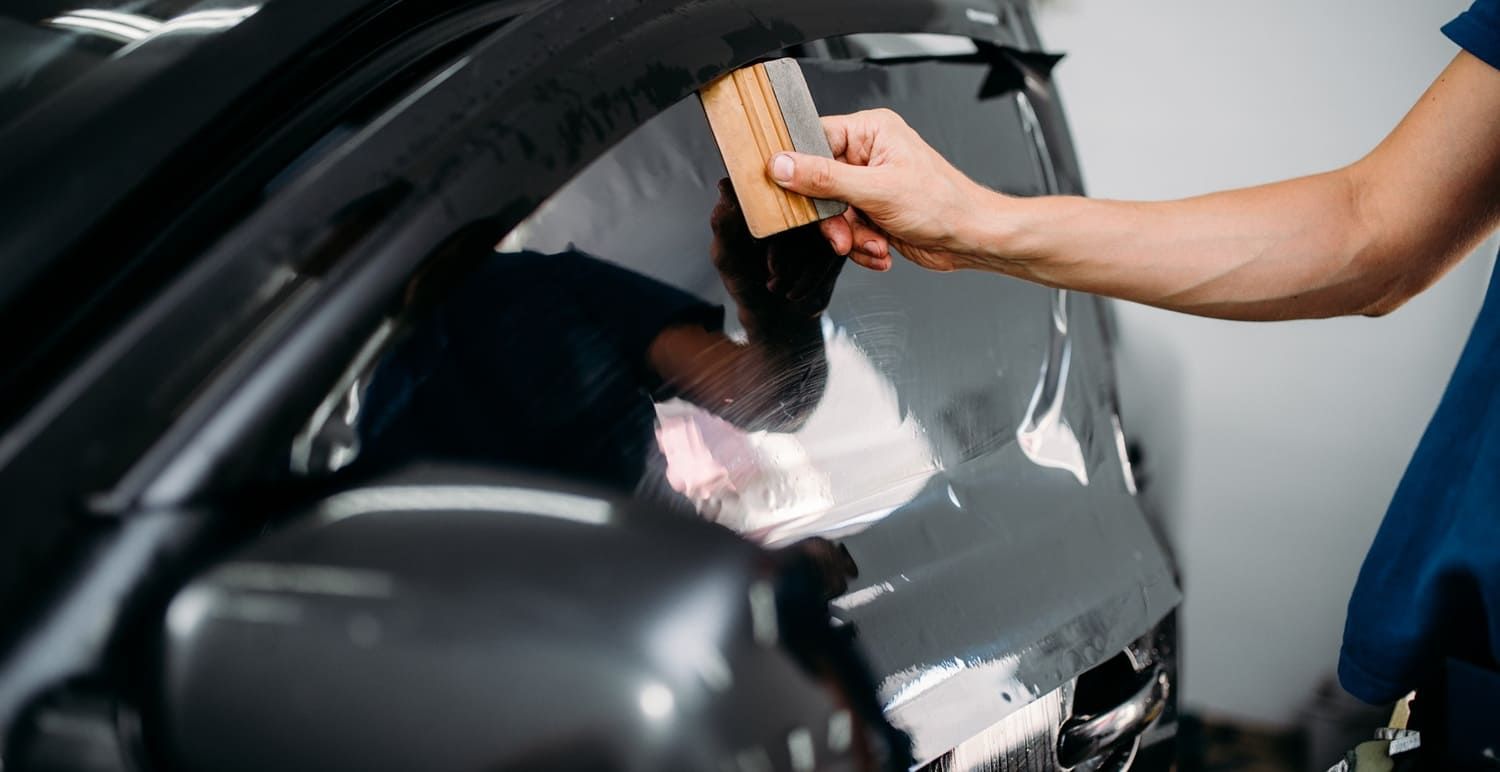
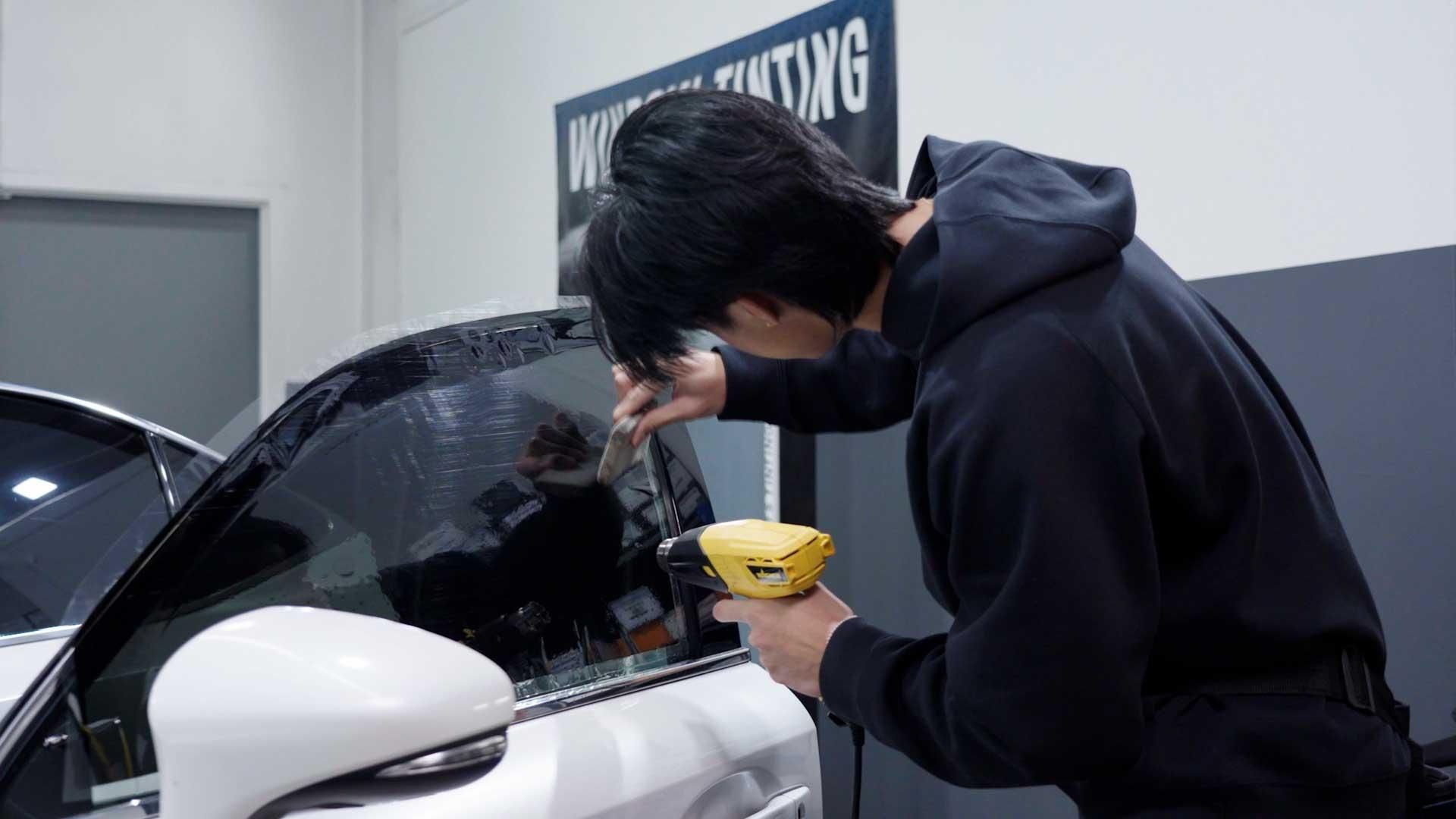
- How Professional Installation Affects How Long Ceramic Tint Lasts
- Ceramic Tint Lifespan and Durability Comparison by Film Type
- How to Help Ceramic Window Tint Last as Long as Possible
- FAQ: Ceramic Window Tint in Florida Heat
- Conclusion
Why Florida Heat and Sun Exposure Are So Hard on Window Tint
Florida consistently ranks among the sunniest states in the country, and the Tampa Bay area is no exception. With an average of more than 240 sunny days per year, vehicles in Tampa face UV exposure that accumulates at a rate far higher than in most of the country. That sustained exposure is the primary reason cheaper window tint fails so much faster in Florida than it does in cooler, cloudier climates.
UV radiation is the main catalyst for tint degradation. It breaks down the dye compounds in lower-quality films, causing the tint to fade, shift in color, and lose its heat-blocking effectiveness. At the same time, the extreme heat inside a parked vehicle, which can reach 150 degrees Fahrenheit or higher in direct Tampa summer sun, puts enormous stress on the adhesive layer that bonds the film to the glass. When that adhesive weakens, bubbles and lifting begin to appear.
The Daily Thermal Cycle Problem
Beyond raw temperature, it is the daily cycle of heating and cooling that accelerates tint failure in Florida. A car parked in the sun heats dramatically during the day, then cools overnight. This expansion and contraction cycle stresses every layer of the film, including the adhesive. Lower-quality films that were not engineered for this level of thermal stress begin to show adhesion failures much sooner than a film built to handle Florida's climate.
High Humidity as a Secondary Factor
Florida's humidity adds a secondary challenge. Moisture can penetrate around the film edges, particularly in any installation where the glass was not perfectly prepared or the film was not cut and seated cleanly. Once moisture gets under the film, it accelerates the adhesive breakdown that heat has already begun. In Tampa's year-round humidity, this combination means that a poorly specified or poorly installed film may show visible failure within two to three years.
What Makes Ceramic Tint More Durable Than Dyed or Carbon Film
Ceramic window tint outperforms dyed and carbon film in Florida's climate for one core reason: it uses fundamentally different materials that do not degrade the way dye-based films do under UV and heat exposure.
No Dye to Fade or Shift
Dyed films get their tint from a layer of dye that absorbs solar energy. Under sustained UV exposure, that dye breaks down chemically, causing the film to fade from its original shade and often shift toward a purple or brownish tone. This is not just a cosmetic issue. As the dye degrades, the film's ability to reject heat also declines. Ceramic tint contains no dye. Its color and performance come from nano-ceramic particles that are chemically stable under UV, meaning the film does not fade, does not shift color, and does not lose its heat-rejection capability over time.
Ceramic Particles and Heat Rejection
The nano-ceramic particles in premium ceramic film are engineered to reflect and absorb infrared radiation, which is the primary driver of heat buildup inside a vehicle. Because ceramic films reject heat through their particle structure rather than through a dye or metal layer, their heat-rejection performance remains consistent throughout the life of the film. This is a critical distinction for Florida drivers, where consistent heat protection matters every single day of the year.
No Metal to Interfere with Signals
Some higher-performing films use metallic layers to improve heat rejection, but metallic films can interfere with phone signals, GPS reception, and toll transponders. Ceramic films deliver superior heat rejection without any metallic content, making them compatible with modern connected vehicles while still outperforming metal films in Florida's thermal environment.
Superior Adhesive Formulation
Premium ceramic films like the LLumar FormulaOne line use advanced adhesive systems that are specifically engineered for high-heat, high-UV environments. These adhesives resist the softening and creep that cause cheaper film adhesives to fail under Florida summer temperatures, which is a primary reason why premium ceramic film carries a lifetime warranty while budget films do not.
Average Lifespan of Ceramic Tint Versus Other Film Types
In Florida's climate, not all window tint is created equal, and the lifespan differences between film types are significant. Understanding what to expect from each option helps Tampa drivers make a decision based on long-term value rather than just upfront cost.
Dyed Film in Florida Heat
Entry-level dyed film is the most affordable option at the point of installation, but it is the least equipped to handle Florida's climate. In Tampa's heat and UV exposure, dyed film typically lasts between two and five years before visible fading, purple discoloration, or bubbling becomes apparent. The film does not just look worse over time; its heat rejection performance actively declines as the dye breaks down, meaning the vehicle becomes hotter inside as the tint ages.
Carbon Film in Florida Heat
Carbon film is a step up from dyed film in terms of durability. It does not rely on a dye layer for its tint or performance, so it holds its color significantly better. In Florida conditions, carbon film typically lasts five to eight years before showing noticeable degradation. It performs better on heat rejection than dyed film and does not produce the purple color shift that dyed films are known for. However, it still falls short of ceramic film in raw heat rejection performance and long-term adhesive stability.
Ceramic Film in Florida Heat
Premium ceramic film, particularly products like LLumar FormulaOne, is built for exactly the kind of climate Tampa drivers experience year-round. With proper installation and basic maintenance, professionally installed ceramic film can realistically last the lifetime of vehicle ownership in Florida conditions. The nano-ceramic construction resists UV degradation, the advanced adhesive resists heat-induced failure, and the film's optical clarity remains consistent over time. This is why premium ceramic film carries a lifetime manufacturer's warranty, while budget film options typically offer one to five years of coverage at most.
Signs That Window Tint Is Breaking Down
Knowing the early signs of tint failure lets you act before the problem becomes a more expensive or more visible issue. In Florida's climate, degradation can progress quickly once it begins, so catching it early matters.
Bubbling
Bubbles under the film are the most visible sign of adhesive failure. In Florida, bubbling is most often caused by heat-induced adhesive softening combined with UV degradation of the film's coating. Bubbles typically start at the edges or corners of the glass, where adhesive coverage is thinnest, and spread inward over time. Once bubbling begins, it cannot be reversed. The film needs to be removed and replaced.
Fading and Purple Discoloration
Fading is the most common failure mode for dyed films in Florida. A tint that starts as a consistent charcoal shade may begin to look uneven, washed out, or shift toward a noticeable purple-brown tone. This color shift is a direct result of UV dye breakdown and indicates that the film's heat-rejection performance has also declined significantly. Ceramic films do not experience this type of failure because they contain no dye to degrade.
Peeling and Edge Lift
Edge lift happens when the adhesive bond weakens along the perimeter of the film. You may notice the film beginning to pull away from the glass at corners, developing a cloudy border around the edges, or lifting slightly when the window is rolled down. Left unaddressed, edge lift progresses into full peeling across larger sections of the film.
Hazing and Reduced Clarity
Some films develop a hazy or milky appearance as the adhesive or coating breaks down. This reduces outward visibility, affects the vehicle's appearance, and signals that the film's protective layers have been compromised. Hazing in Florida conditions is most common in lower-quality dyed films that have passed their effective lifespan.
Scratches and Surface Wear
Surface scratches from improper cleaning accelerate UV damage by compromising the protective outer coating on the film. In Florida's climate, where every day of UV exposure matters, a scratched film degrades faster than an undamaged one of the same product. Using abrasive cloths or ammonia-based cleaners on tinted glass is one of the most common causes of premature film failure in any climate.
How Professional Installation Affects How Long Ceramic Tint Lasts
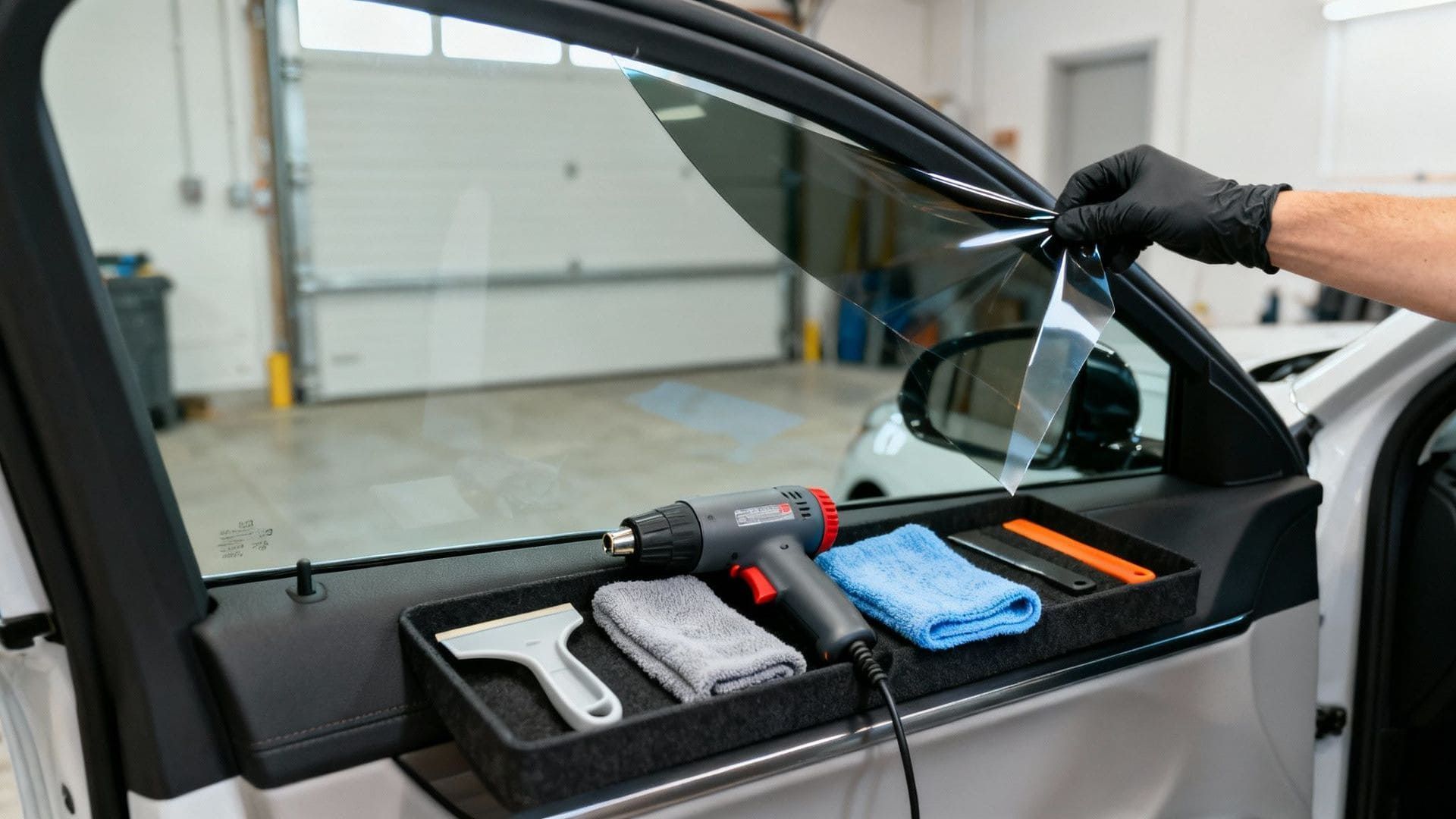
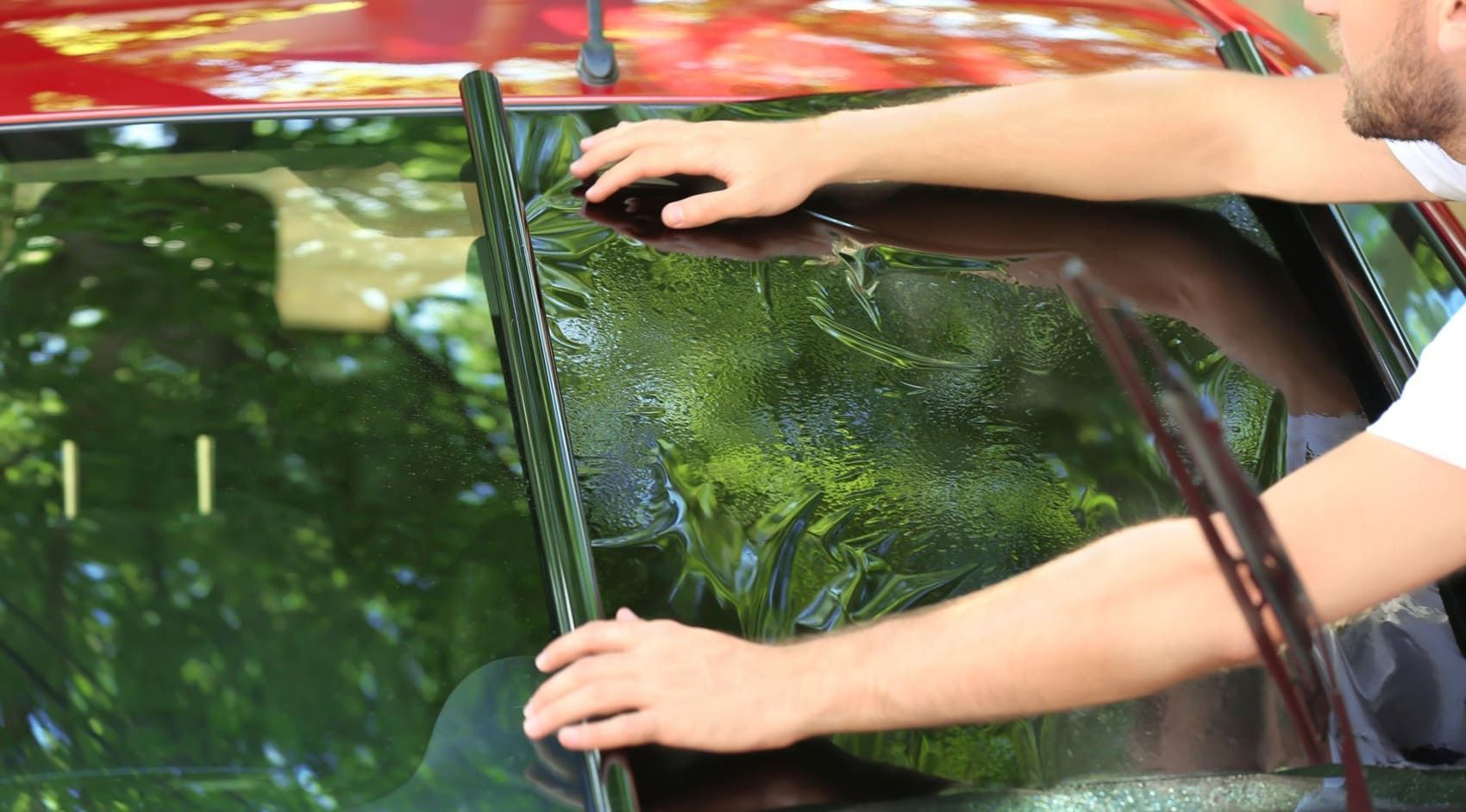
The film product itself is only part of the equation. Professional installation is the other critical variable, and in Florida's demanding climate, its importance is amplified. A premium ceramic film installed incorrectly will not last as long as that same film installed by an experienced professional with the right tools and training.
Glass Preparation
Before any film is applied, the glass must be thoroughly cleaned and free of contaminants. Any residue, dust, or adhesive from a previous tint job left on the glass creates weak spots in the adhesive bond. In Florida's heat, those weak spots become entry points for the thermal stress and moisture that drive early film failure. Professional installers use proper glass preparation techniques that eliminate contamination before the film is ever touched.
Film Cutting and Edge Coverage
Precision film cutting ensures the film sits correctly within the glass edges without exposed gaps along the perimeter. Gaps or poorly cut edges are the most common starting point for edge lift in high-heat climates. A well-cut, well-seated film dramatically reduces the surface area exposed to Florida's heat and humidity at the film boundary.
Curing Time and Post-Installation Care
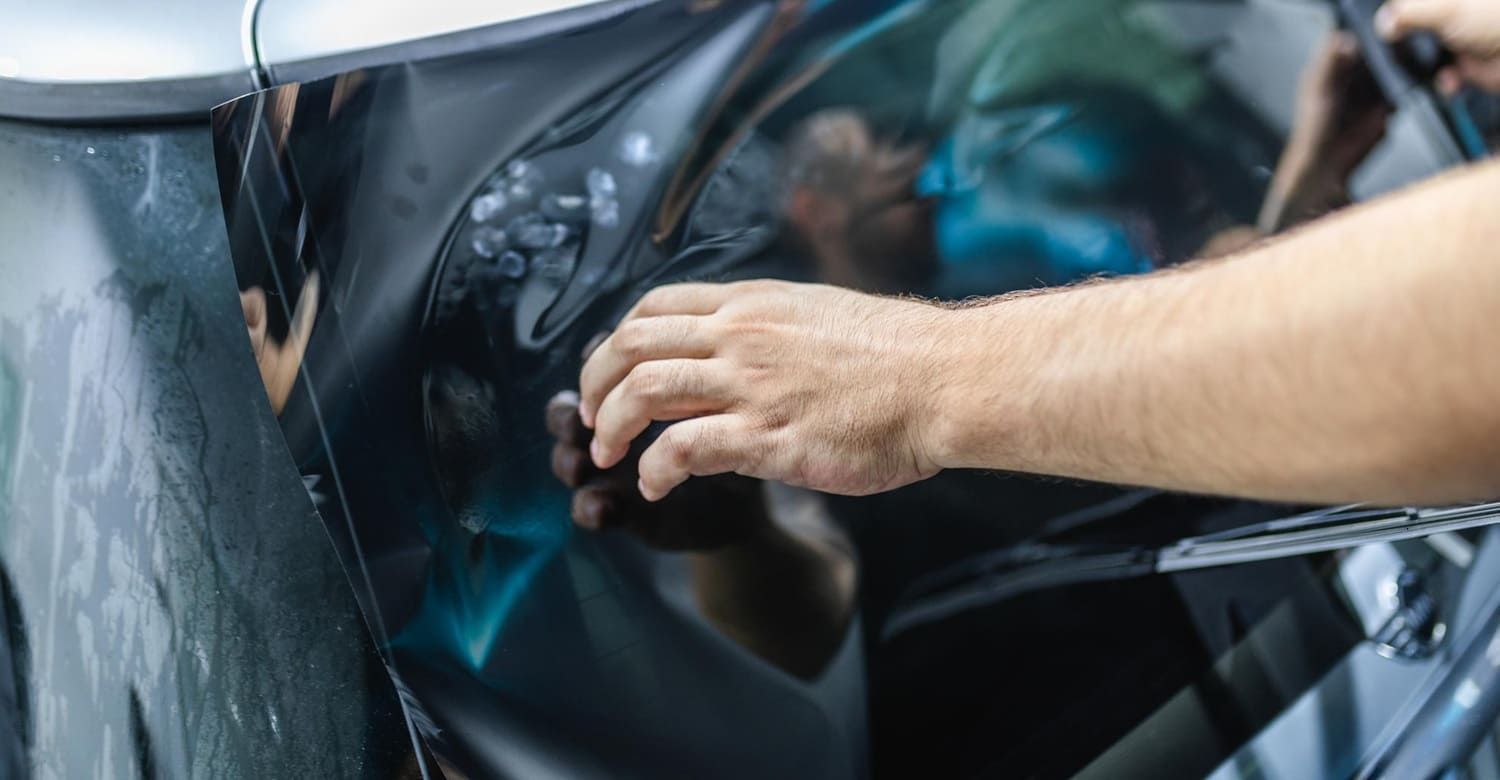
After installation, ceramic film requires a curing period during which the adhesive fully bonds to the glass. Rolling windows down too soon or cleaning the film before it has cured are common causes of preventable early failure. A professional installer provides specific guidance on curing time and post-installation care for your film type and the current ambient conditions.
The LLumar SelectPro Dealer Difference
Leo's Touch Window Tinting is an exclusive LLumar SelectPro Dealer, which means the team is trained and certified to install the premium FormulaOne line of ceramic auto window tint. That certification is not just a marketing distinction. It reflects a commitment to the installation standards required to honor the lifetime manufacturer's warranty against color change, bubbling, and cracking for as long as the customer owns the vehicle. With over 500 verified five-star reviews, the quality of the installation process is reflected in the experience of Tampa Bay drivers who have trusted their vehicles to Leo's Touch.
Ceramic Tint Lifespan and Durability Comparison by Film Type
The table below compares dyed, carbon, and ceramic window tint across the factors that matter most for Florida durability.
| Category | Dyed Tint | Carbon Tint | Ceramic Tint |
|---|---|---|---|
| Typical Lifespan in Florida Heat | 2 to 5 years | 5 to 8 years | 10 or more years (lifetime with warranty) |
| Resistance to Bubbling and Peeling | Low | Moderate | High |
| Resistance to Fading or Discoloration | Low, prone to purple shift | Good, holds color well | Excellent, no color change |
| Heat Rejection Performance | Moderate | Good | Excellent |
| Signal Interference (Phone, GPS) | None | None | None |
| Warranty Coverage | Limited or none | 1 to 5 years typical | Lifetime (manufacturer-backed) |
| Upfront Cost | Lowest | Mid-range | Higher upfront, best long-term value |
For Tampa drivers who park outside regularly and keep their vehicles for several years, the math consistently favors ceramic tint. A dyed film replaced every three to four years costs more over a decade than a single premium ceramic installation backed by a lifetime warranty.
FormulaOne Ceramic Tint vs. Budget Ceramic Options
Not all ceramic tints are equal, even within the ceramic category. The table below compares LLumar FormulaOne ceramic film, installed by a SelectPro Dealer, against lower-cost or big-box ceramic tint options.
| Category | Budget or Big-Box Ceramic Tint | LLumar FormulaOne (SelectPro Dealer) |
|---|---|---|
| Film Quality and Construction | Varies, often thinner nano-ceramic layer | Premium nano-ceramic, engineered for high heat |
| Heat Rejection Performance | Moderate to good | Excellent, consistent over film lifetime |
| Long-Term Color Stability | Good but may shift over time | No color change, guaranteed |
| Adhesive Durability in Heat | Adequate | Engineered for Florida-level thermal stress |
| Warranty Coverage | Limited, often 1 to 5 years | Lifetime manufacturer warranty |
| Installation Quality Assurance | Unverified, varies by shop | Certified SelectPro installer required |
| Long-Term Value | Lower upfront, higher lifetime cost | Higher upfront, best lifetime value |
How to Help Ceramic Window Tint Last as Long as Possible
Even the best ceramic film benefits from proper care. These practices apply to any ceramic tint installation and are especially important in Florida's demanding climate.
Respect the Curing Period
For the first three to five days after installation, do not roll your windows down and do not clean the tinted surfaces. The adhesive needs this time to fully bond to the glass. In Tampa's high heat, your installer may recommend a slightly extended curing period during summer months. Disturbing the film before it has fully cured is one of the most preventable causes of early edge lift.
Use Ammonia-Free Cleaners Only
Ammonia is one of the most destructive substances for window tint. It chemically degrades the film's coating and adhesive over time, accelerating UV damage and reducing the lifespan of even a premium ceramic film. Always use an ammonia-free cleaner and a soft microfiber cloth. Never use paper towels, abrasive pads, or standard glass cleaners that contain ammonia on any tinted surface.
Park in Shade or a Garage When Possible
Ceramic tint is built to handle Florida sun, but minimizing unnecessary UV and heat exposure extends the life of any film. For Tampa drivers who have access to covered parking, a garage, or consistent shade, using it reduces the cumulative thermal load on the film over time. Even periodic shade parking makes a measurable difference over the years.
Inspect the Film Annually
An annual check of all tinted surfaces helps you catch early signs of edge lift, small bubbles, or surface wear before they develop into larger problems. Minor edge lift addressed early can sometimes be corrected without full film replacement. Waiting until the problem is visible from across a parking lot typically means the film has already failed beyond repair.
Address Any Damage Promptly
If you notice a small area of bubbling, edge lift, or a surface scratch, contact your installer promptly. Under a lifetime warranty, qualifying issues are covered. Delaying on a warranty claim does not help the film; it allows the issue to spread and potentially complicates the repair or replacement process.
FAQ: Ceramic Window Tint in Florida Heat
How long does ceramic window tint typically last in Florida?
Premium ceramic window tint installed professionally in Florida can last ten or more years, and in many cases for the lifetime of vehicle ownership. The LLumar FormulaOne ceramic film installed by Leo's Touch Window Tinting is backed by a lifetime manufacturer's warranty against color change, bubbling, and cracking, meaning the film is guaranteed for as long as you own the vehicle.
Does ceramic tint really last longer than dyed or carbon tint?
Yes, significantly. Dyed tint in Florida typically lasts two to five years before visible failure. Carbon tint extends that to five to eight years. Premium ceramic tint is built to last the lifetime of vehicle ownership, primarily because it contains no dye to degrade under UV and uses advanced adhesives that resist Florida's heat-induced stress far better than budget film options.
What causes window tint to bubble or peel in Florida heat?
Bubbling and peeling are caused by adhesive failure. In Florida, the primary drivers are UV degradation of the film's coating, heat-induced softening of lower-quality adhesives, and moisture intrusion at poorly sealed film edges. Premium ceramic film with advanced adhesive formulation resists all three of these failure drivers significantly better than dyed or carbon film.
Does ceramic tint fade or turn purple over time like cheaper film?
No. Ceramic tint does not contain any dye, so it cannot fade or shift color the way dyed films do. The purple-brown discoloration that Tampa drivers often see on older tinted vehicles is a characteristic failure of dyed film, not ceramic film. Premium ceramic tint maintains its original shade and optical clarity throughout its lifespan.
Does professional installation affect how long ceramic tint lasts?
Professional installation is one of the most important factors in ceramic tint longevity. Proper glass preparation, precision film cutting, clean edge coverage, and correct curing time all directly affect how long the adhesive bond holds up under Florida's thermal stress. Even the best ceramic film will fail prematurely if it is installed on contaminated glass or with poor edge coverage.
Is a lifetime warranty on ceramic tint actually honored?
A lifetime warranty is only as reliable as the installer backing it. Leo's Touch Window Tinting is an exclusive LLumar SelectPro Dealer, which means the FormulaOne lifetime warranty is backed by LLumar's manufacturer guarantee and honored through a certified installer. When evaluating any warranty, ask what it covers, what voids it, and whether the installer has the manufacturer relationship required to honor it.
How can I tell if my window tint needs to be replaced?
The clearest signs are visible bubbling, peeling or lifting at the edges, noticeable fading, purple or brown color shift, hazing or cloudiness, and any area where the film has separated from the glass. If your tint is more than five years old and showing any of these signs, or if it is eight or more years old regardless of appearance, a professional inspection is worthwhile to assess whether replacement makes sense.
Does parking in the sun all day shorten ceramic tint's lifespan?
Consistent full-sun parking does increase the cumulative UV and heat load on any tint film. Premium ceramic film is engineered to handle this level of exposure far better than dyed or carbon film, but parking in shade or a garage when available will always extend the practical lifespan of any film. For Tampa drivers without covered parking, premium ceramic film is the strongest available option for resisting daily full-sun exposure.
Does ceramic tint interfere with phone signal or GPS?
No. Ceramic tint contains no metallic components and does not interfere with phone signals, GPS reception, satellite radio, or toll transponders. This is a specific advantage over some metallic or hybrid films that can reduce signal quality. FormulaOne ceramic film delivers excellent heat rejection with full signal compatibility for modern connected vehicles.
How much does ceramic tint cost compared to its expected lifespan?
Ceramic tint costs more upfront than dyed or carbon film, but when evaluated over a ten-year period, it is typically the most cost-effective option for Florida drivers. A dyed film that needs replacing every three to four years will cost more in total over a decade than a single premium ceramic installation backed by a lifetime warranty. The long-term value calculation consistently favors ceramic film for Tampa Bay drivers who plan to keep their vehicles.
Can ceramic tint be removed and reapplied if it's damaged?
Yes. Window tint can be professionally removed from any glass surface, and new film can be applied after the glass has been properly prepared. If you have a warranty claim, your installer will handle the removal and reinstallation process. It is not recommended to attempt film removal yourself, as it can damage the glass defroster lines on rear windows and leave adhesive residue that complicates reinstallation.
Does window cleaning or maintenance affect how long tint lasts?
Yes. Using ammonia-based glass cleaners or abrasive cleaning materials on tinted glass is one of the most common causes of premature film failure. Ammonia degrades the film's coating and adhesive over time, and abrasive materials scratch the outer surface, accelerating UV damage. Always use an ammonia-free cleaner and a soft microfiber cloth on any tinted surface.
How is FormulaOne ceramic tint different from standard ceramic film?
LLumar FormulaOne ceramic tint is a premium product within the ceramic film category, using a higher-grade nano-ceramic construction with advanced adhesive systems engineered for high-heat environments. It is backed by a lifetime manufacturer's warranty that covers color change, bubbling, and cracking, which is only available through a certified LLumar SelectPro Dealer. Standard or budget ceramic films may use thinner ceramic layers, less durable adhesives, and carry significantly shorter warranty terms.
How long does professional ceramic tint installation take?
A standard passenger vehicle ceramic tint installation typically takes two to four hours, depending on the number of windows being tinted, the specific vehicle model, and the complexity of features like rear defroster lines and curved glass. Your installer can provide a specific time estimate for your vehicle. Plan for the vehicle to be unavailable for the day of installation and respect the curing period of three to five days before cleaning the tinted surfaces.
How do I know if ceramic tint is worth it for my vehicle?
Ceramic tint is worth it for any Tampa Bay driver who plans to keep their vehicle for more than three to four years, parks outside regularly, wants consistent heat rejection performance throughout the life of the tint, and does not want to deal with premature bubbling, fading, or replacement costs. When backed by a lifetime warranty from a certified installer, ceramic film eliminates the maintenance cost and visual failure issues associated with budget film in Florida's climate.
Conclusion: The Right Ceramic Tint for Florida's Heat Lasts a Lifetime
Florida's heat and UV exposure represent one of the most demanding environments for window tint in the country. Dyed films fade, bubble, and turn purple within a few years. Carbon films hold up better but still fall short of what Tampa Bay drivers need for true long-term durability. Premium ceramic tint, installed by a trained professional, is the only film category built to hold up to Florida's conditions over the lifetime of vehicle ownership.
The difference comes down to materials and installation quality. Ceramic film contains no dye to degrade, uses advanced adhesives engineered for high-heat climates, delivers consistent heat rejection from day one through year ten and beyond, and is backed by a lifetime manufacturer's warranty when installed by a certified dealer. Over a five or ten-year period, premium ceramic tint is consistently the most cost-effective choice for Florida drivers, not the most expensive one.
Leo's Touch Window Tinting is an exclusive LLumar SelectPro Dealer offering the premium FormulaOne line of ceramic auto window tint, backed by a lifetime manufacturer's warranty against color change, bubbling, and cracking for as long as you own your vehicle. With over 500 verified five-star reviews from Tampa Bay drivers, the team brings the installation expertise and product quality that make that warranty meaningful.
If you are ready to protect your vehicle with ceramic tint built to last in Florida's heat, contact Leo's Touch Window Tinting today for a free estimate on FormulaOne ceramic window tinting. Serving Tampa, and the surrounding Tampa Bay area.