Which Window Tint Is Best for SUVs and Family Vehicles in Tampa?
The best window tint for most SUVs and family vehicles in Tampa is a nano-ceramic film, such as LLumar CTX, LLumar IRX, or FormulaOne Pinnacle or Stratos. Ceramic tint blocks more than 99% of UV rays, rejects far more heat than dyed film, and won't interfere with phones, GPS, or keyless entry. In Florida, SUVs and minivans must let in more than 28% of visible light through the front side windows. The rear side windows and back window must let in more than 6%.
Maybe you drive the kids to school in Carrollwood, haul sports gear to practice in Brandon, or cross the Howard Frankland for a weekend at the beach. Either way, your vehicle spends hours in direct Florida sun. The right film does more than change how your vehicle looks. It affects how hot the third row gets, how much UV reaches your children's skin, and whether your tint stays legal and under warranty. This guide walks through your options so you can choose with confidence.
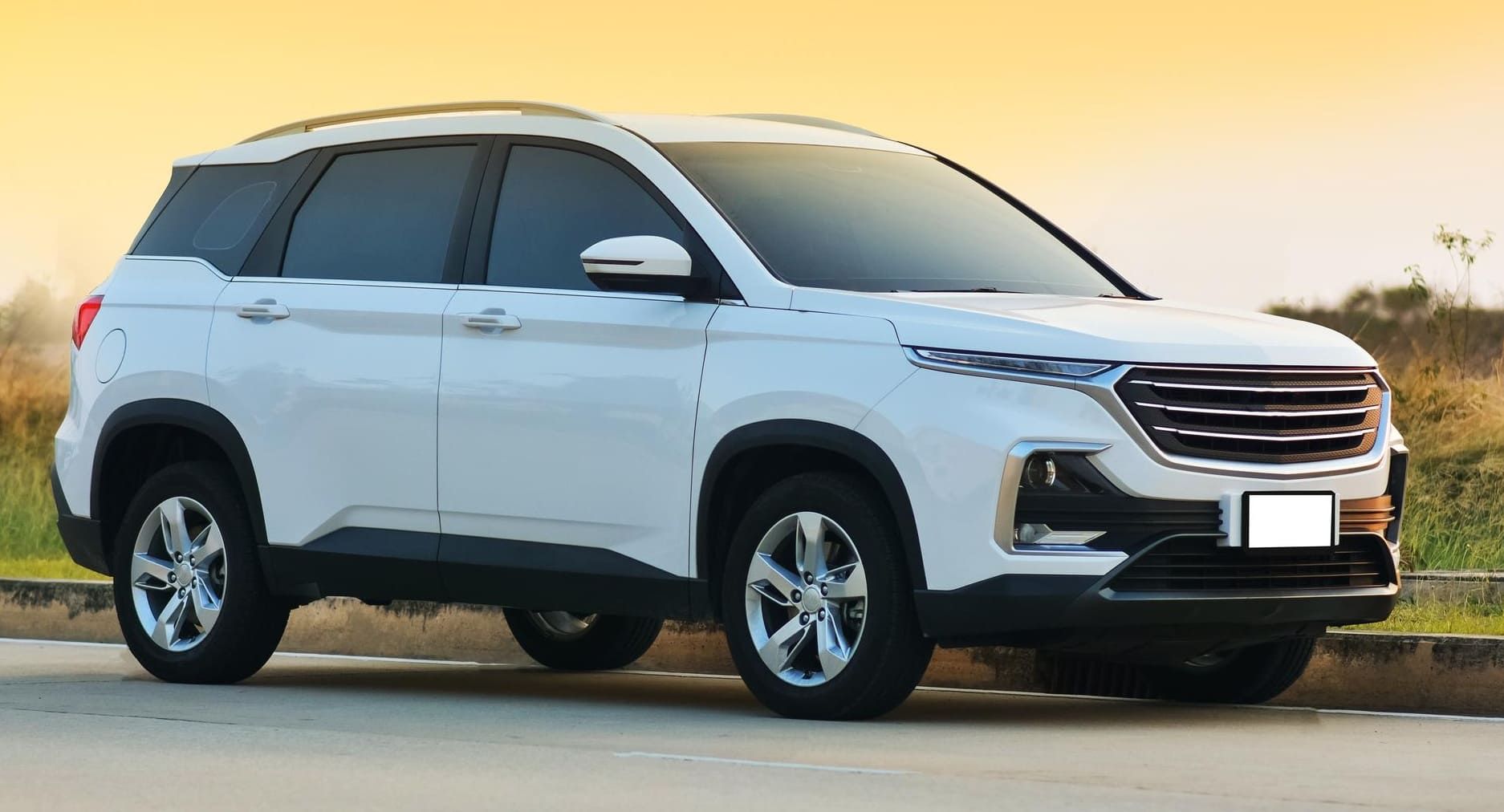
Quick Answer: The Best Tint for SUVs and Family Vehicles
For families across the Tampa Bay area, here is the short version:
- Best overall: Nano-ceramic tint (LLumar CTX or FormulaOne Pinnacle). It rejects heat well, keeps signals clear, and matches the factory charcoal look.
- Best for maximum comfort: Infrared-rejecting ceramic (LLumar IRX) or FormulaOne Stratos, which rejects up to 63% of solar heat.
- Best for factory privacy glass: A nearly clear ceramic film like the AIR Series. It adds heat and UV protection without making dark rear glass any darker.
- Best on a tight budget: Premium dyed film (LLumar ATC), which still blocks more than 99% of UV rays.
Why SUVs and Minivans Need a Different Tint Strategy
A family SUV is not just a bigger sedan. Its size, its glass layout, and the people riding in back all change what "best" means.
More Glass Means More Heat
Three-row SUVs and minivans have large side windows, rear quarter glass, and a tall liftgate window. Every extra square foot of glass lets in more solar heat. In a Tampa summer, that heat builds fast in the back rows, where the air conditioning vents are often weakest. A film with high infrared rejection keeps the temperature more even from the front seats to the back.
Kids in the Back Seat Get the Most Exposure
Children often sit beside a side window for a long drive with no way to move out of the sun. Untreated side glass lets UVA rays through, and UVA damage builds up over time. Quality window film blocks more than 99% of those rays. That is why The Skin Cancer Foundation recommends window film as part of a complete sun protection plan. For parents, it is one of the strongest reasons to tint.
Factory Privacy Glass Is Not Heat Protection
Many SUVs leave the factory with dark rear "privacy glass." It looks tinted, but the darkness comes from pigment in the glass, which mainly cuts visible light. It does relatively little to stop infrared heat, and its UV protection falls short of a quality film. SUV owners ask about this more than anything else.
Window Tint Types Compared for Family Vehicles
Every film Leo's Touch installs blocks more than 99% of UV rays. The films differ in heat rejection, compatibility with electronics, and price.
| Film Type | Example Product | Heat Rejection | Signal Interference | Best For |
|---|---|---|---|---|
| Premium Dyed | LLumar ATC | Good | None | Families on a budget who want privacy and style |
| Metallized | LLumar ATR | Excellent | Possible with some devices | Drivers who want strong heat reflection |
| Nano-Ceramic | LLumar CTX, FormulaOne Pinnacle | Superior | None | Most family SUVs and minivans |
| IR-Rejecting Ceramic | LLumar IRX, FormulaOne Stratos | Best | None | Maximum comfort, long commutes, road trips |
| Clear Ceramic | AIR Series | Superior for a clear film | None | Factory privacy glass or a no-tint look |
Nano-Ceramic Tint
Ceramic film uses microscopic ceramic particles instead of metal. You get strong heat and glare control, and the film won't block cell service, satellite radio, tablets streaming in the back seat, or your key fob. That matters in a family vehicle full of devices.
Infrared-Rejecting Ceramic
IR-rejecting ceramic targets infrared rays, which are the part of sunlight you feel as heat. At the same shade, it keeps the cabin noticeably cooler than lower-tier films. LLumar IRX also lists shattered-glass protection among its features, which helps hold broken glass in place.
Dyed and Metallized Tint
Dyed film is the entry-level option. It looks good and blocks UV, but it rejects less heat. Metallized film reflects more heat, but its metal layers can disrupt signals for some electronics. That is one reason most families now choose ceramic.
How Dark Can You Tint an SUV in Florida?
Florida law treats SUVs, vans, and other multipurpose vehicles differently from sedans. Here is the breakdown:
| Window | Sedans | SUVs and Vans |
|---|---|---|
| Windshield | Non-reflective tint above AS-1 line only | Non-reflective tint above AS-1 line only |
| Front side windows | More than 28% light in | More than 28% light in |
| Rear side windows | More than 15% light in | More than 6% light in |
| Rear window | More than 15% light in | More than 6% light in |
| Reflectivity (front / rear sides) | 25% / 35% max | 25% / 35% max |
Florida has a few other tint rules. You need dual side mirrors if the rear windows are tinted, and a compliance sticker must be in the driver's door jamb. Colored tint is not allowed. Medical exemptions are available for qualifying conditions.
Why the Factory Glass Math Matters
Florida's limits apply to the glass and film together. Suppose your rear privacy glass lets in about 20% of visible light and you add a 20% film. The result is roughly 4%, which is below Florida's 6% limit for SUVs. Front windows can drop below 28% the same way. A professional installer measures your glass with a meter before recommending a shade. That keeps you from getting a ticket. It also protects your warranty, because film installed in violation of the law can void the manufacturer's coverage.
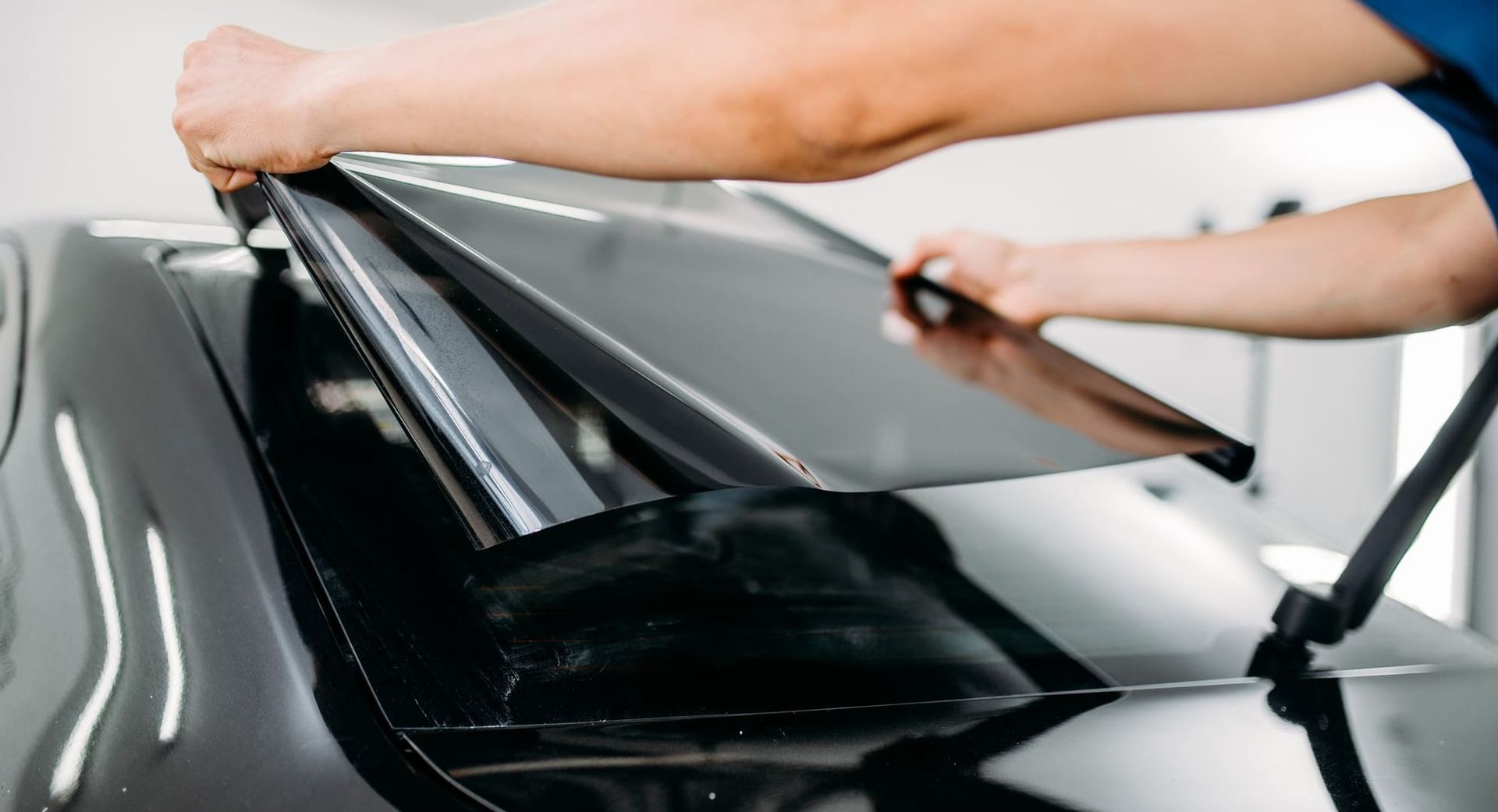
How to Choose the Right Tint for Your Family Vehicle
Use this five-step process to narrow down your options.
1. Decide What Matters Most: Heat, Privacy, or Budget
If the back seat gets unbearably hot, prioritize infrared rejection. If you want strollers, laptops, and shopping bags out of view, darkness matters more. If cost decides it, start with dyed or entry-level ceramic film.
2. Check Your Factory Glass
Find out whether your rear windows already have privacy glass. If they do, a clear or light ceramic film can improve performance without making the glass too dark.
3. Choose a Front Shade That Keeps You Legal
With film and glass combined, the front doors must let in more than 28% of light. Ceramic film at a legal shade still rejects a lot of heat, so you don't have to go dark to stay cool.
4. Consider How Your Family Uses the Vehicle
Daily school runs and long highway trips both benefit from higher-performing film. If your kids use devices and you rely on navigation, metal-free ceramic is the safer choice.
5. Preview Shades and Ask About Warranties
Use the online automotive film viewer to see how each shade looks on your type of vehicle. Before installation, confirm what your warranty covers.
Our Recommendations by Family Situation
| Family Situation | Recommended Film | Why It Fits |
|---|---|---|
| Young kids in car seats | LLumar IRX or FormulaOne Stratos | Best heat rejection for the back rows plus 99%+ UV protection |
| Daily commuting and school runs | LLumar CTX or FormulaOne Pinnacle | Strong all-around performance with no signal issues |
| SUV with factory privacy glass | Ceramic on the front doors, AIR Series on the rear glass | Adds heat control while staying above 6% |
| Teen driver's first car | Nano-ceramic at a legal front shade | Cuts glare without hurting night visibility |
| Tight budget | LLumar ATC | Privacy and 99%+ UV protection at a lower cost |
Why Tampa Bay Families Choose Leo's Touch Window Tinting
Leo's Touch Window Tinting is an Exclusive LLumar SelectPro Dealer and Tampa's exclusive dealer of FormulaOne High Performance Auto Tint. LLumar evaluates dealers on customer experience before granting SelectPro status. SelectPro dealers get access to advanced films that not every shop can offer.
Leo's Touch has more than 10 years of experience and over 500 verified 5-star reviews on Google, Yelp, and Facebook. Our factory-trained installers tint SUVs, minivans, trucks, and cars for drivers across the
Tampa Bay area. Every film comes with a lifetime limited manufacturer's warranty against bubbling, peeling, cracking, and color change. FormulaOne coverage can transfer to the next owner. Families can also add our optional No-Charge, No-Fault Warranty. It covers scratches, rips, and break-in damage that the manufacturer's warranty doesn't.
Frequently Asked Questions
Is ceramic tint worth it for a family SUV?
Yes, for most families. Ceramic tint rejects more heat than dyed film, blocks more than 99% of UV rays, and won't interfere with phones, GPS, or keyless entry. In Tampa's climate, you'll notice the extra comfort in the back rows every day.
What is the darkest legal tint for an SUV in Florida?
On SUVs and vans, the rear side windows and back window must let in more than 6% of light. The front side windows must let in more than 28%. Both limits include your factory glass, so professional metering is important.
Does window tint protect children from UV rays?
Yes. Quality films block more than 99% of harmful UV rays, including the UVA rays that pass through untreated side glass. That gives kids in the back seat real protection on every drive.
Can you tint over factory privacy glass?
Yes. A clear or light ceramic film adds heat rejection and UV protection to factory privacy glass. The combined darkness stays within Florida's legal limit.
Will tint interfere with my phone, GPS, or key fob?
Ceramic and dyed films will not. Metallized films can affect some signals, which is why ceramic is the preferred choice for family vehicles full of devices.
Can I tint my windshield in Florida?
Florida allows only non-reflective tint above the manufacturer's AS-1 line, a narrow strip at the top of the windshield. Ask your installer which windshield options keep you legal.
How much does it cost to tint an SUV in Tampa?
The price depends on your vehicle's size, how many windows you tint, the film you choose, and whether old tint needs to be removed. A ceramic film costs more than a dyed film. The most accurate way to compare is a free estimate based on your exact make and model.
How long does it take to tint an SUV?
Most SUV installations are finished in a single visit. Your installer will tell you how long to keep the windows rolled up while the film cures.
Get the Right Tint for Your Family Vehicle in Tampa
The best window tint for your SUV or family vehicle keeps your passengers cool and protects your kids from UV. It also has to work with your electronics and stay within Florida law. For most families, that means a nano-ceramic or infrared-rejecting ceramic film installed by a certified professional.
Ready to make your family's ride cooler and safer? Visit
Leo's Touch Window Tinting at 4726 N Lois Ave Suite W, Tampa, FL 33614,
call (813) 562-2209, or request a
free estimate online. We're open Monday through Saturday, 9am to 5pm. Our team will walk you through every shade, film, and legal option for your vehicle.